AdventureDAO
Turning Web3 from confusing to usable.
Client | Role | Duration | Status |
|---|---|---|---|
M0 | Product Designer | 4 Weeks | Shipped - VISIT SITE |
Product Design ⦿ Web3 ⦿ Gamification ⦿ SuperApp ⦿ Framer ⦿ Onboarding⦿
What's this about
Web3 is powerful. But most people don't fail because they're not interested — they fail because it's overwhelming.
Too many tools. Too much jargon. Too many steps just to get started. The question became: how do you make Web3 feel simple enough to start — and rewarding enough to continue?
The shift
Instead of
Another DeFi app. Or another learning platform. Both exist. Both are incomplete on their own.
Reframed as
Learning + earning + doing — in one continuous loop. Because in Web3, you don't really understand something until you use it.
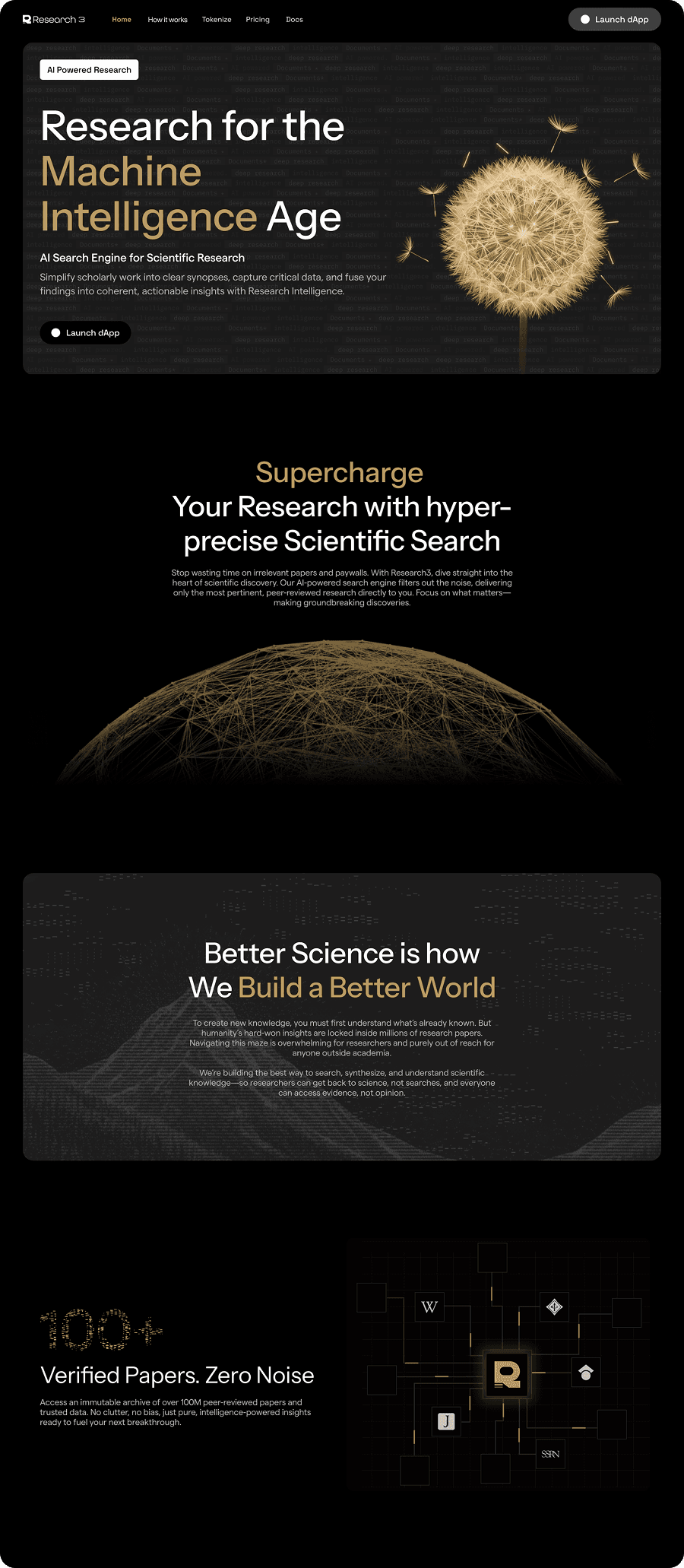
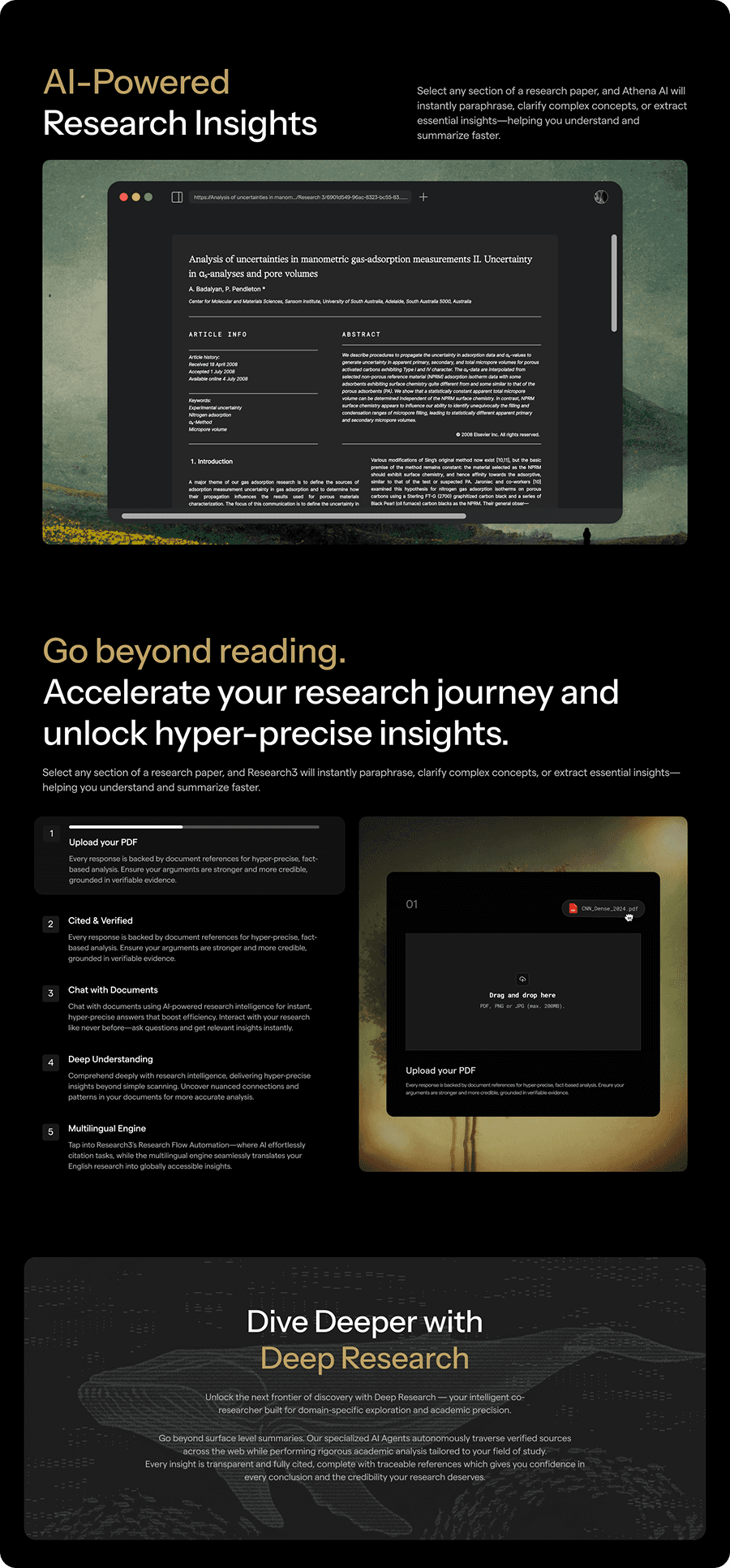
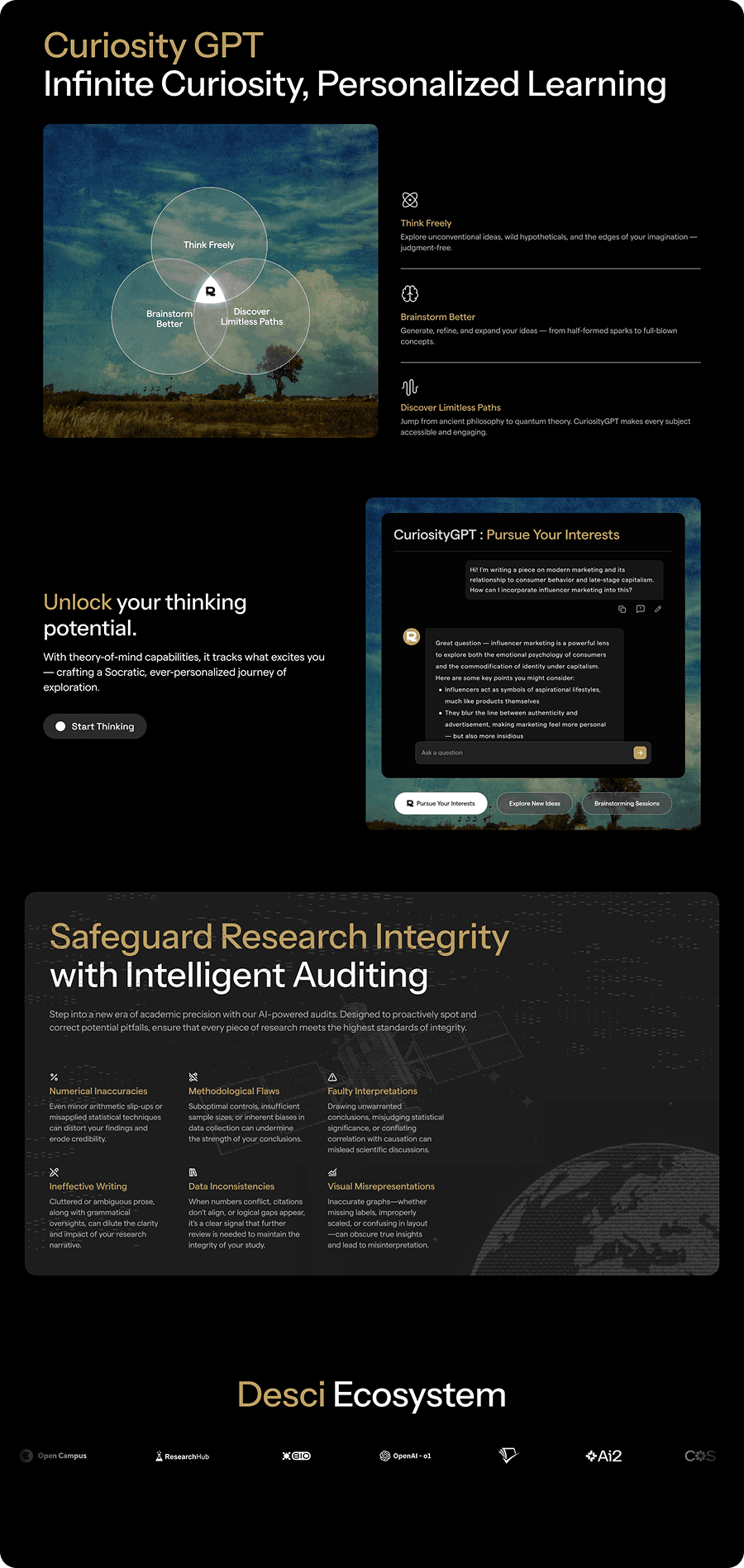
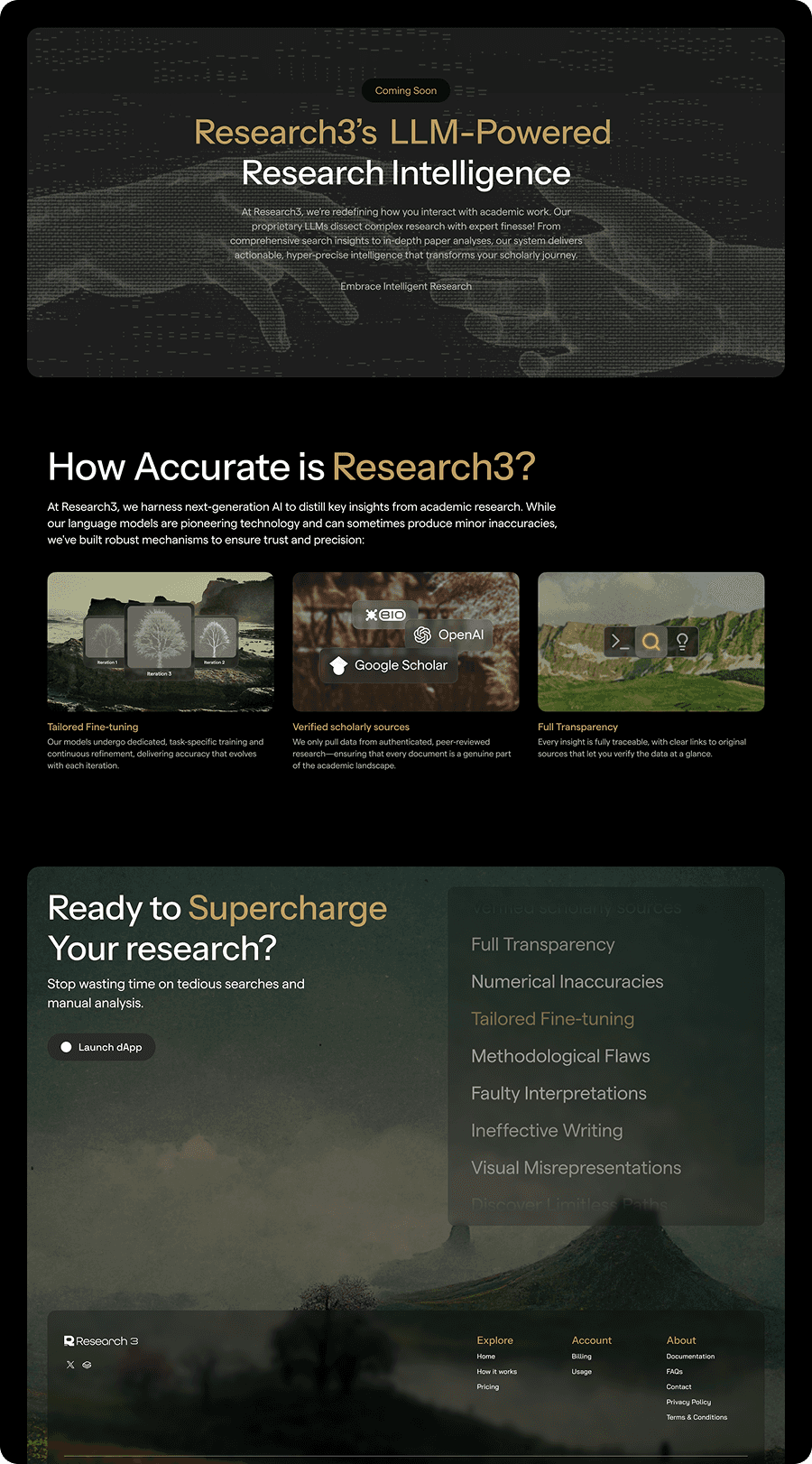
4 behaviours I designed for
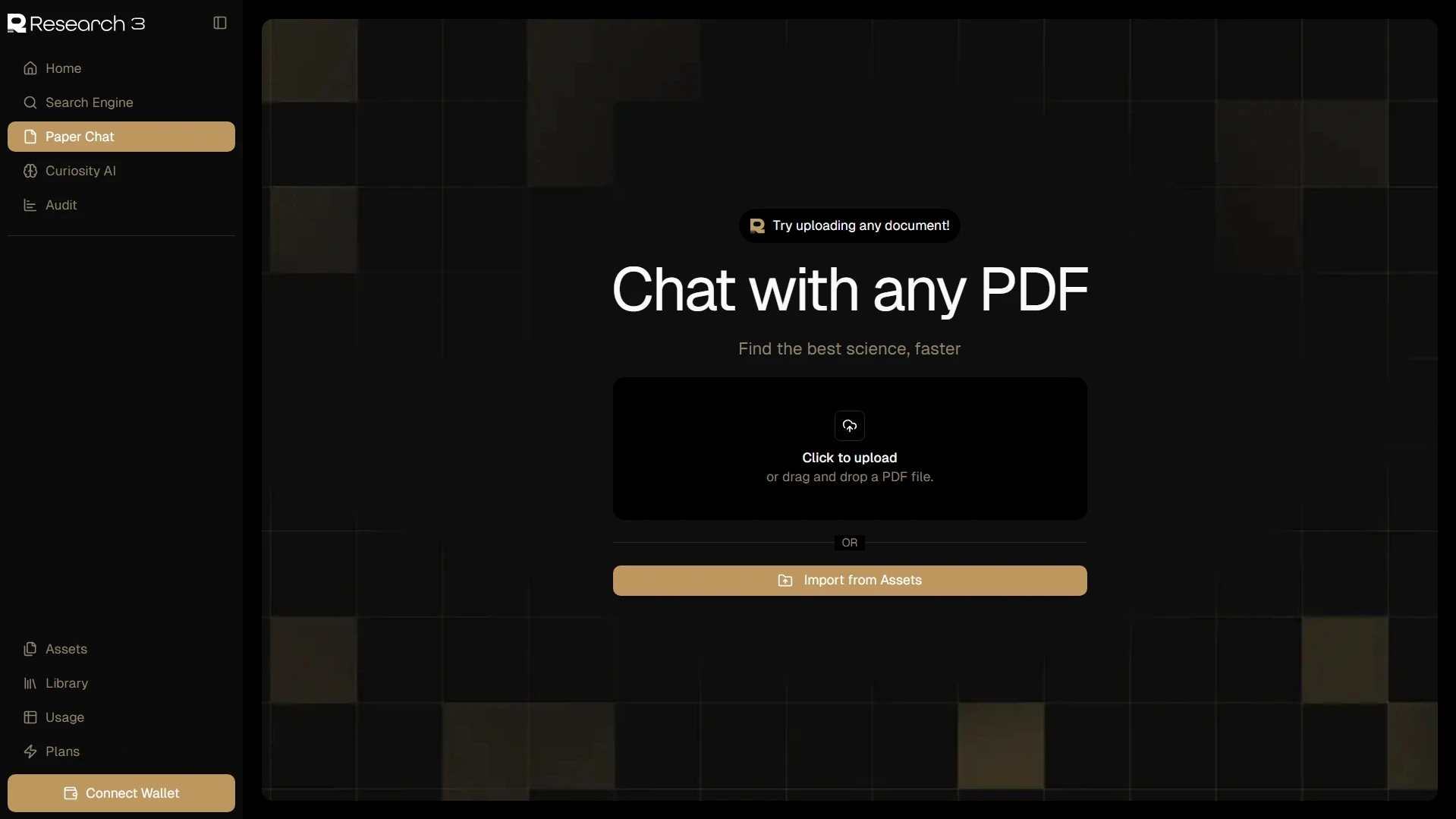
Search → UnderstandingEvery result tied to real papersHighlight and break down complex sections instantly. Less scanning. More understanding. | AI guesses → Verified answersOnly peer-reviewed sources. Always cited.If it can't be verified, it doesn't exist in the system. |
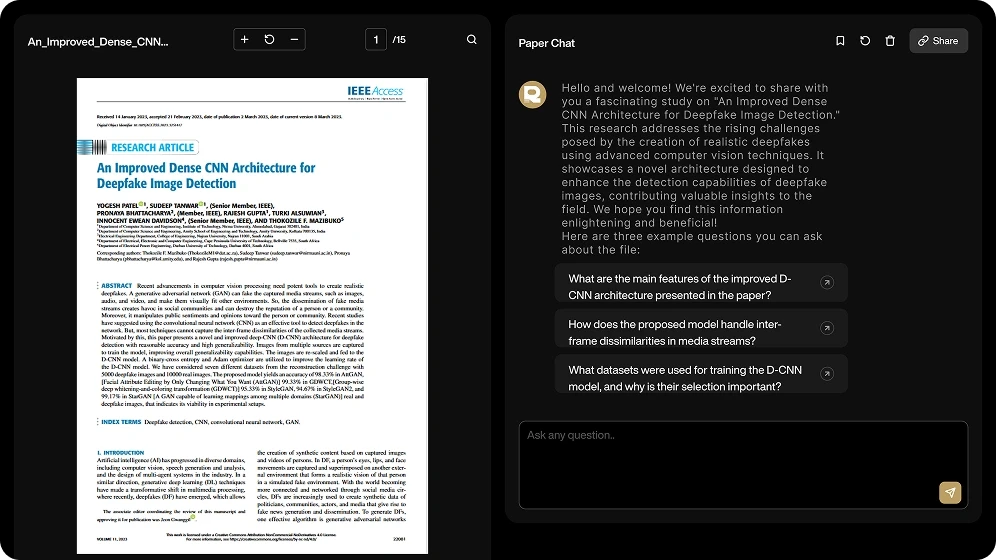
Reading papers → InteractingChat with documents. Ask questions directly.Research becomes a conversation, not a chore. | Information overload → Clarity100M+ papers. Surface only what matters.Filter irrelevant work. Connect related findings. |
Key decisions
1.AI explains, not invents
Most tools generate first, verify later. This flips it — retrieve, then explain. Every output stays grounded in real research.
Why: Hallucinations in a research tool aren't just wrong — they're dangerous. The architecture had to make fabrication structurally impossible.
2.Show sources everywhere, no hidden logic
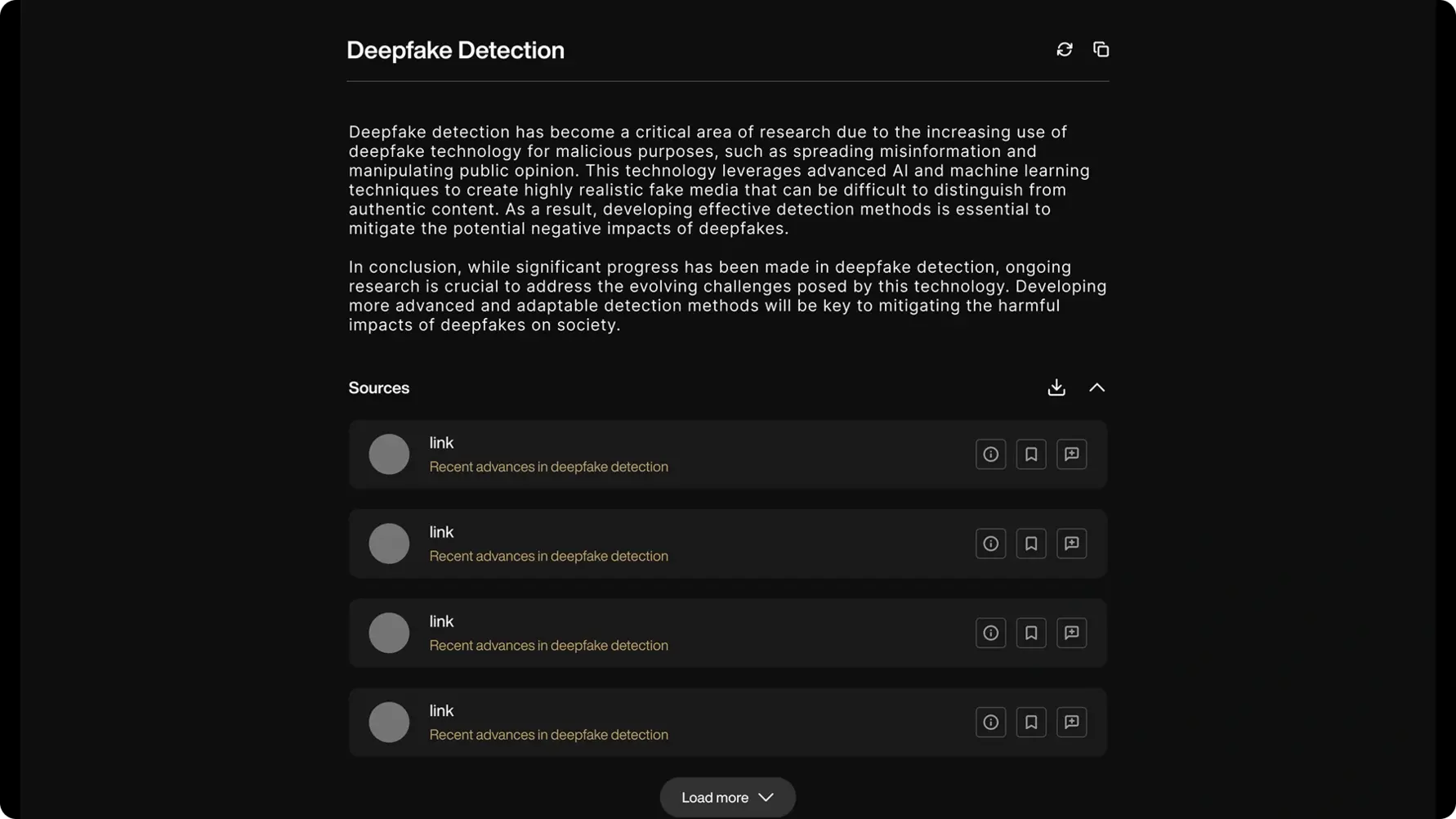
Every insight is linked, traceable, verifiable. No black box. This builds trust instantly — especially for scientists and analysts who need to cite their sources.
3.Designed for researchers, not general users
This wasn't built for casual browsing. Students, scientists, analysts — they need depth. So instead of simplifying too much, I focused on clarity without dumbing things down.
First-time onboarding is harder. Scientific tools can feel intimidating. That's the gap I'd close next.
4.One flow — search, read, extract, build
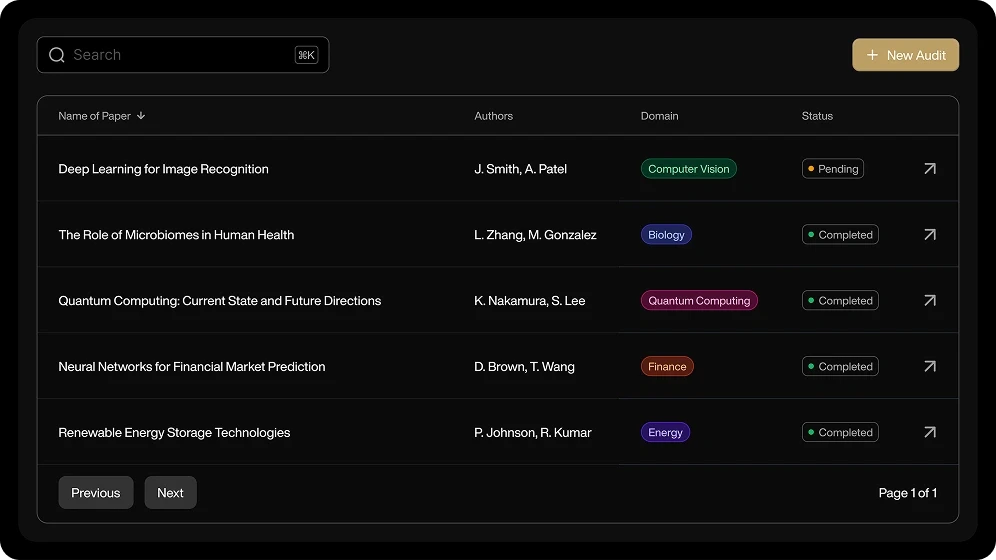
Instead of switching tools for searching, reading, summarising, and writing — everything lives in one flow. Fewer context switches. More time thinking.
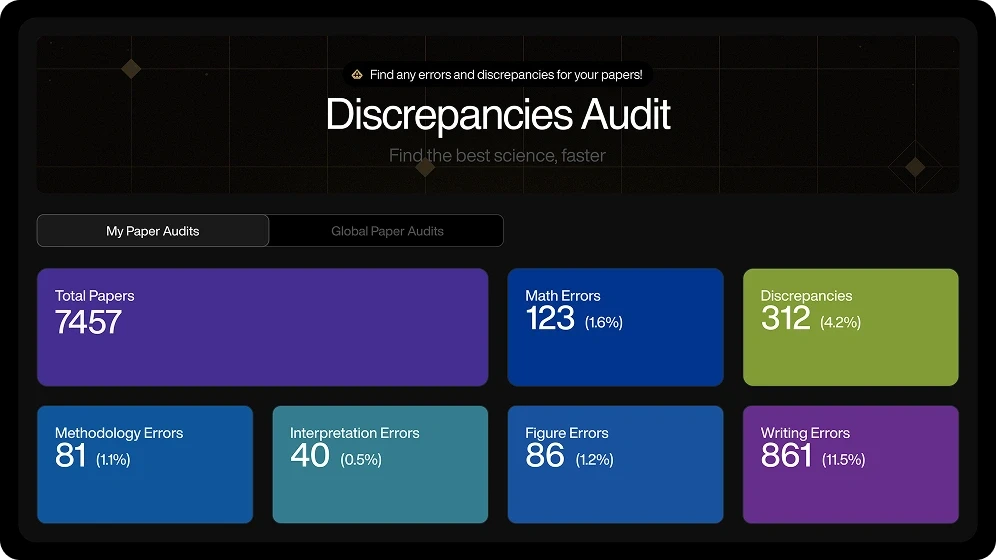
outcomes
0Unverified outputs — every answer tied to a real, traceable source by design | 1Unified flow — search, read, annotate, extract. No tool-switching. |
100M+Papers navigable — the system filters noise, not just indexes it | LiveShipped at research3.ai — |
The hard part
Designing for truth, not convenience. Every decision had to balance speed vs accuracy, simplicity vs depth, AI assistance vs user control. Most of those tensions don't have clean answers.
Learnings
Trust is a design constraint, not a featureOnce I made "no unverified output" a hard rule, every other decision became clearer. | Clarity ≠ simplicityResearchers need depth. Dumbing it down loses the people who matter most. |
One flow beats five toolsThe biggest UX win wasn't a new feature — it was removing the need to switch contexts. | The problem isn't lack of data100M+ papers exist. The problem is navigation. Design for that, not for more information. |
WHAT I’D IMPROVE
Make first-time onboarding clearer — scientific tools feel intimidating. Improve how connections between papers are visualised. Reduce cognitive load when exploring large datasets.
If it’s worth building, I’m interested.
I take on projects, part-time work, and full-time roles.
send the details — we’ll figure it out.
vizuraja@gmail.com
CHAOS
→
CLARITY

Active here
V
I
S
W
A
You could have been anywhere on the internet, yet you’re here. thanks for visiting