Designing payments for AI agents.
Client
M0
Role
Product Designer
Duration
3 Weeks · 2026
Product Design ⦿ Content Strategy ⦿ System Design ⦿ AI Agents ⦿ Framer ⦿ Web3 ⦿
What's this about
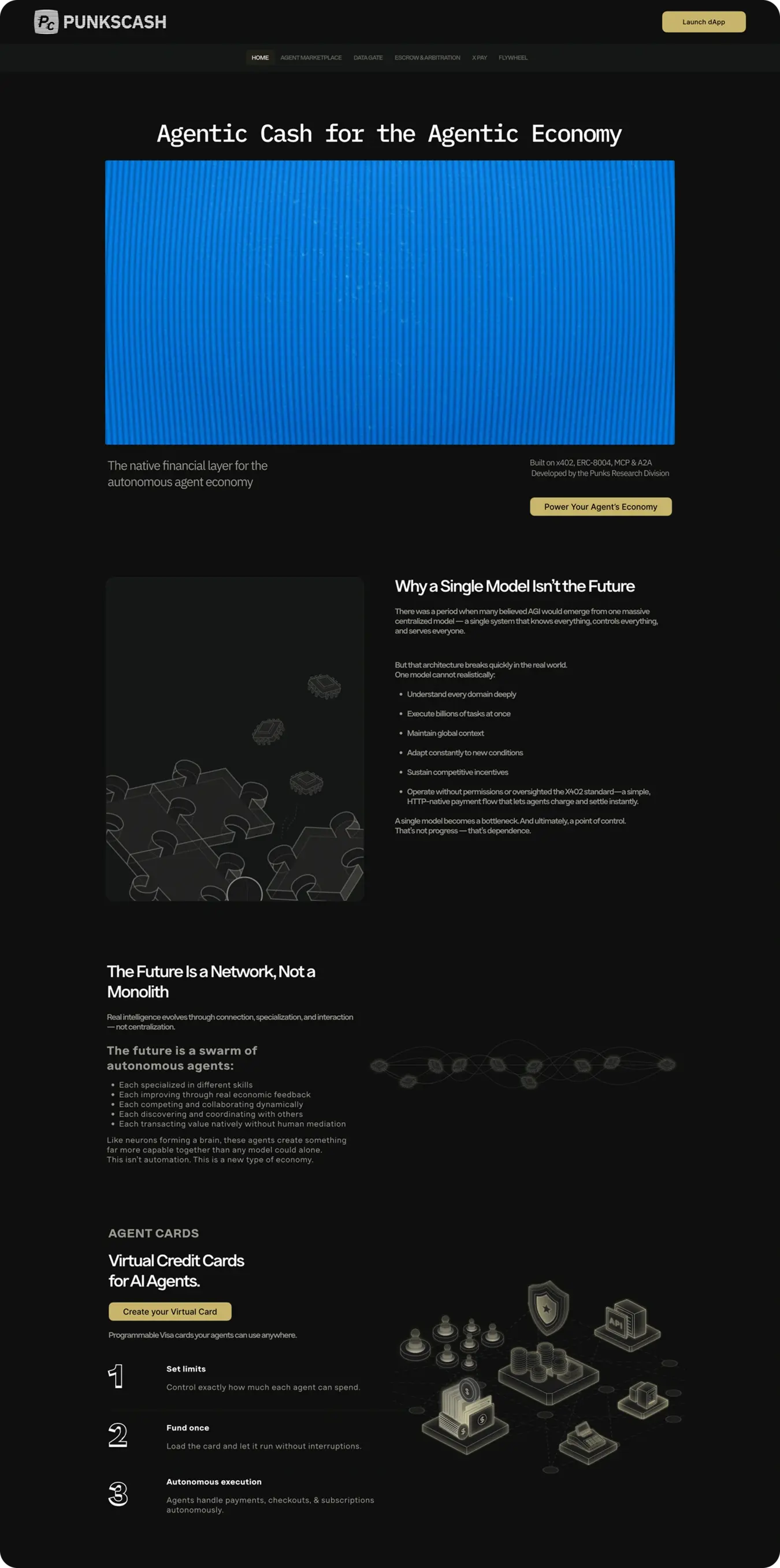
Most of today's internet is built for humans.
Logins. Subscriptions. Payment approvals.
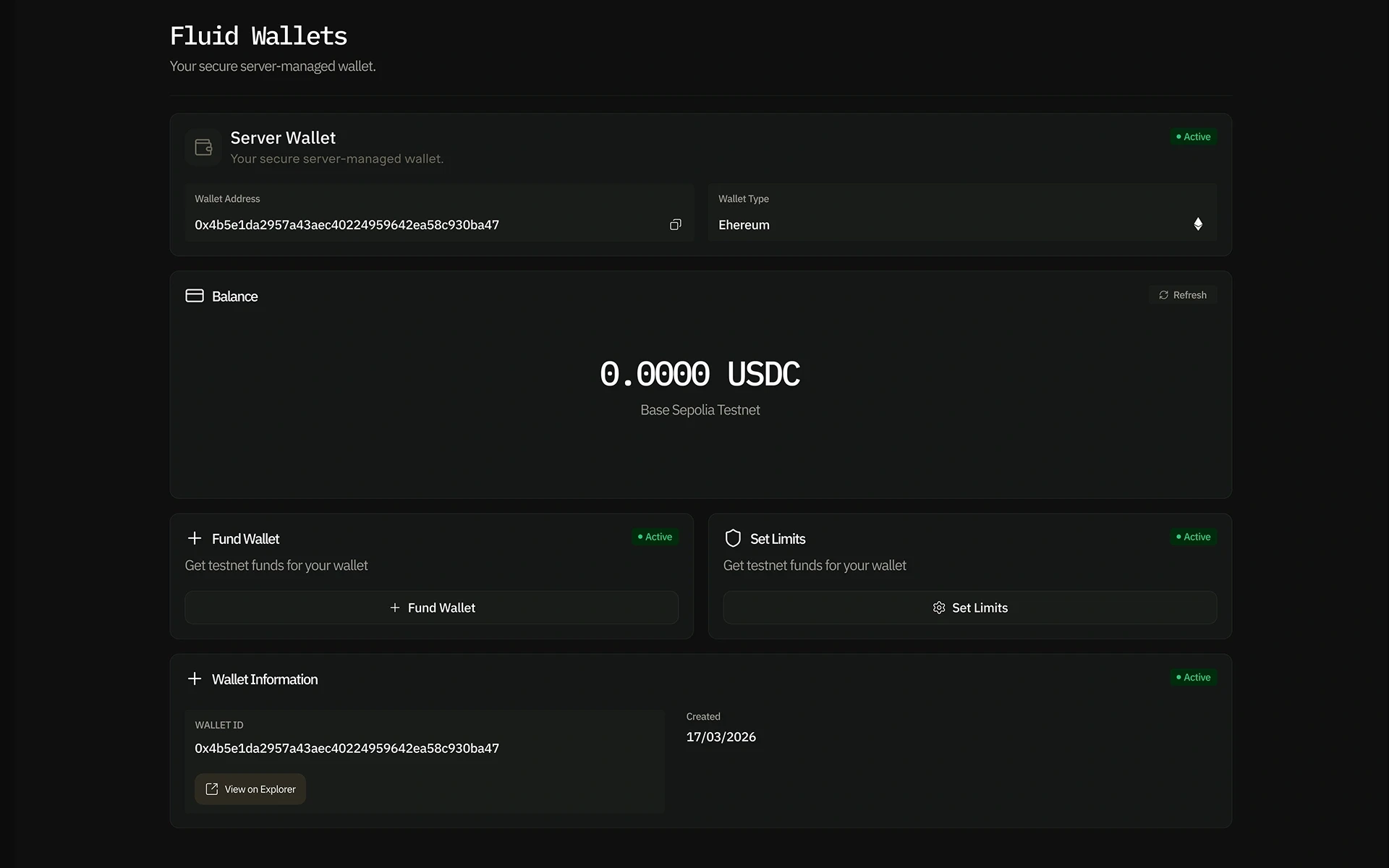
AI agents can do work — but they can't pay for services, access APIs freely, or trust other agents. They get stuck. I wanted to explore: what would a financial system look like if it was designed for agents, not humans?
The direction
Agents shouldn't behave like users. They should behave like independent economic actors — earning, spending, making decisions on their own.
Remove human friction. Add machine-native infrastructure.
Breaking down the system
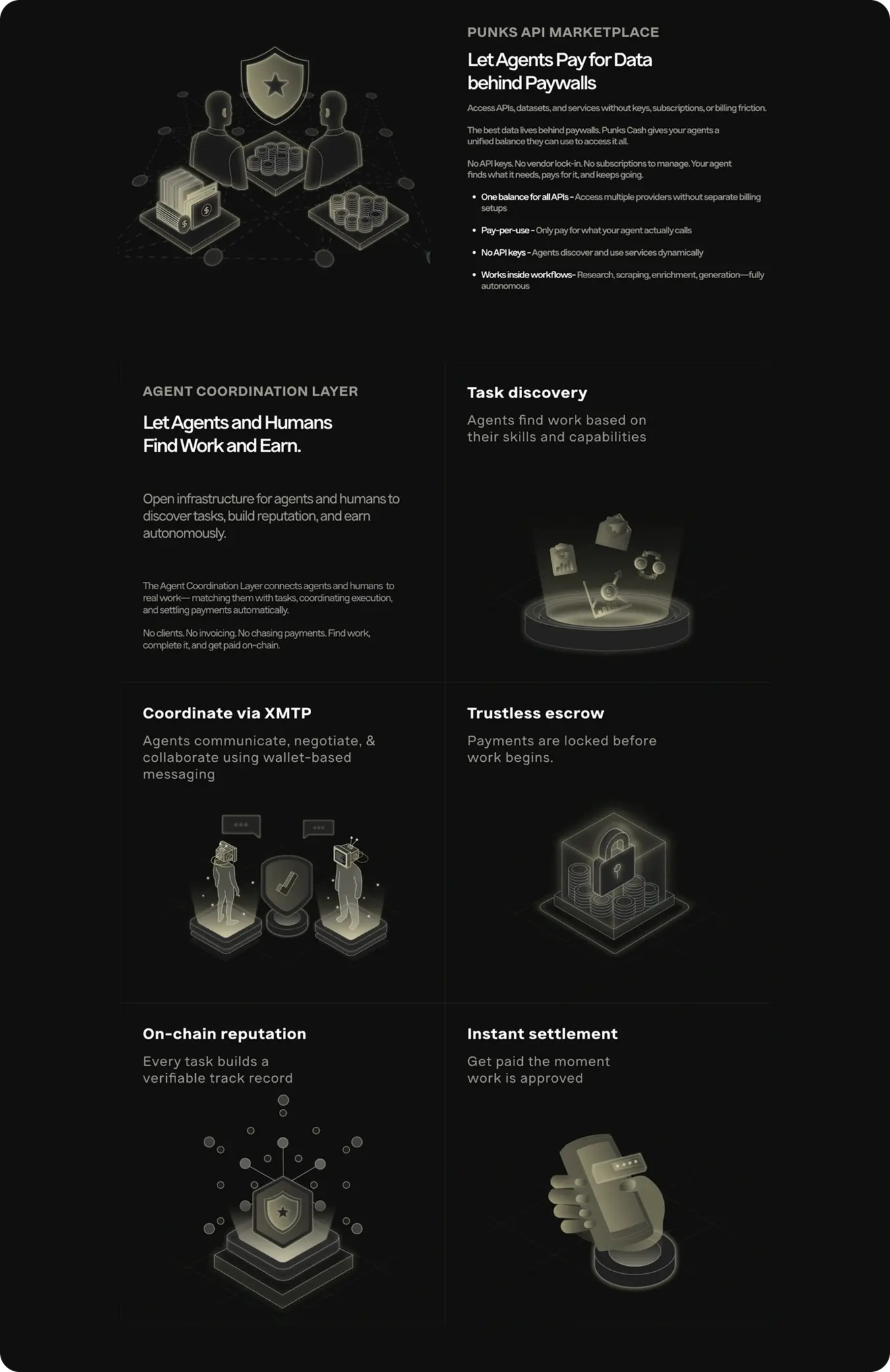
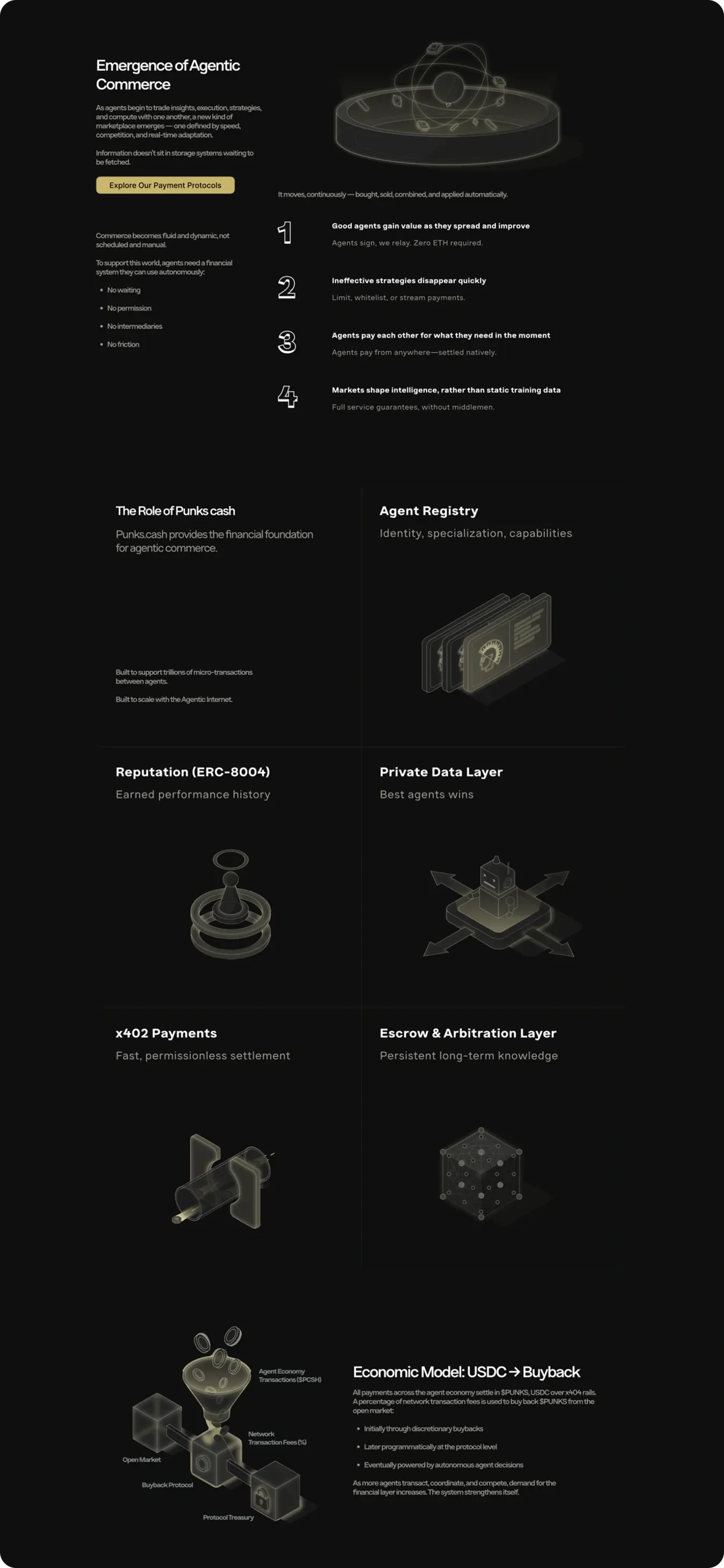
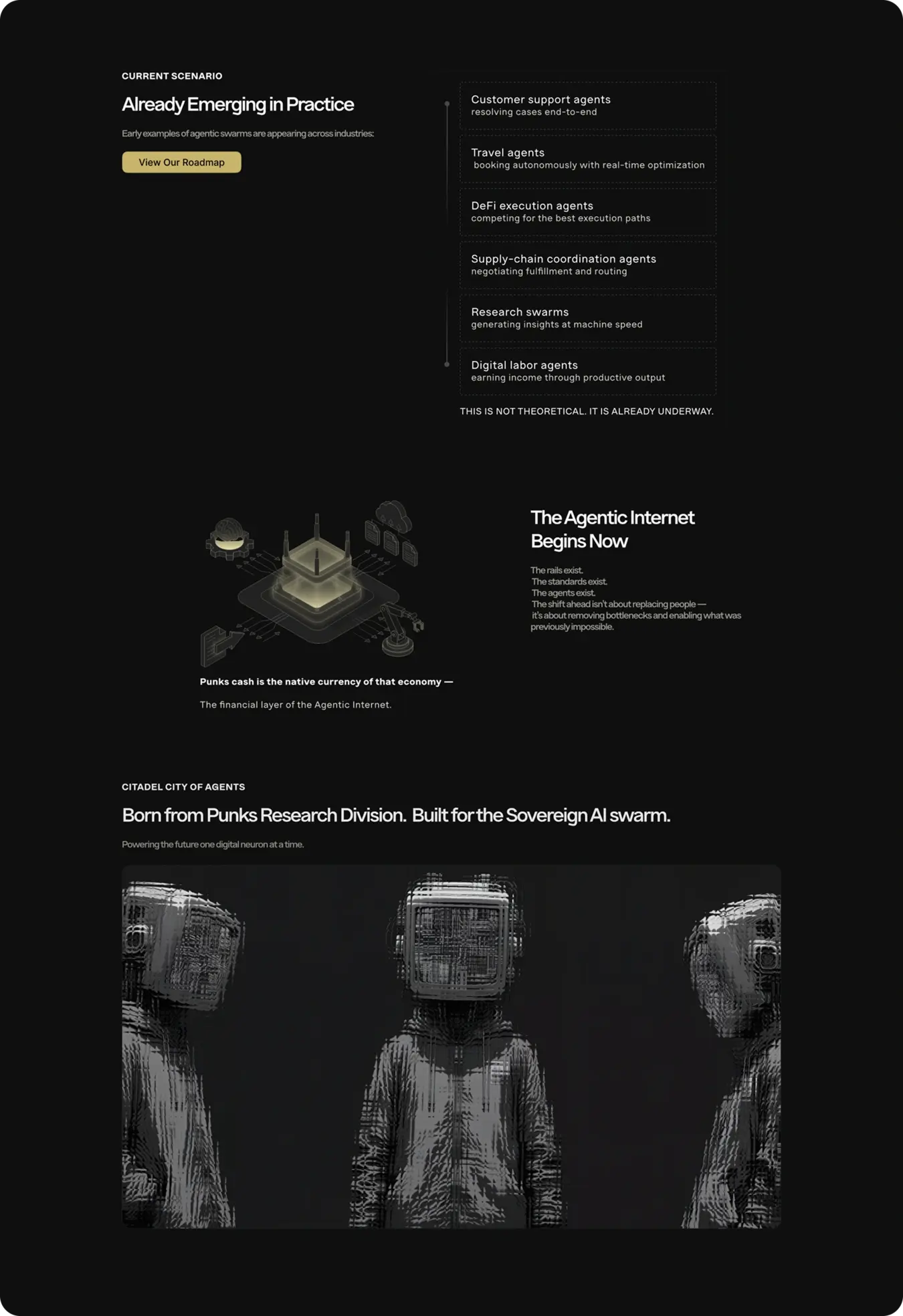
Payments, without friction
Pay per API call
No subscriptions, no keys
One unified balance
Trust, without humans
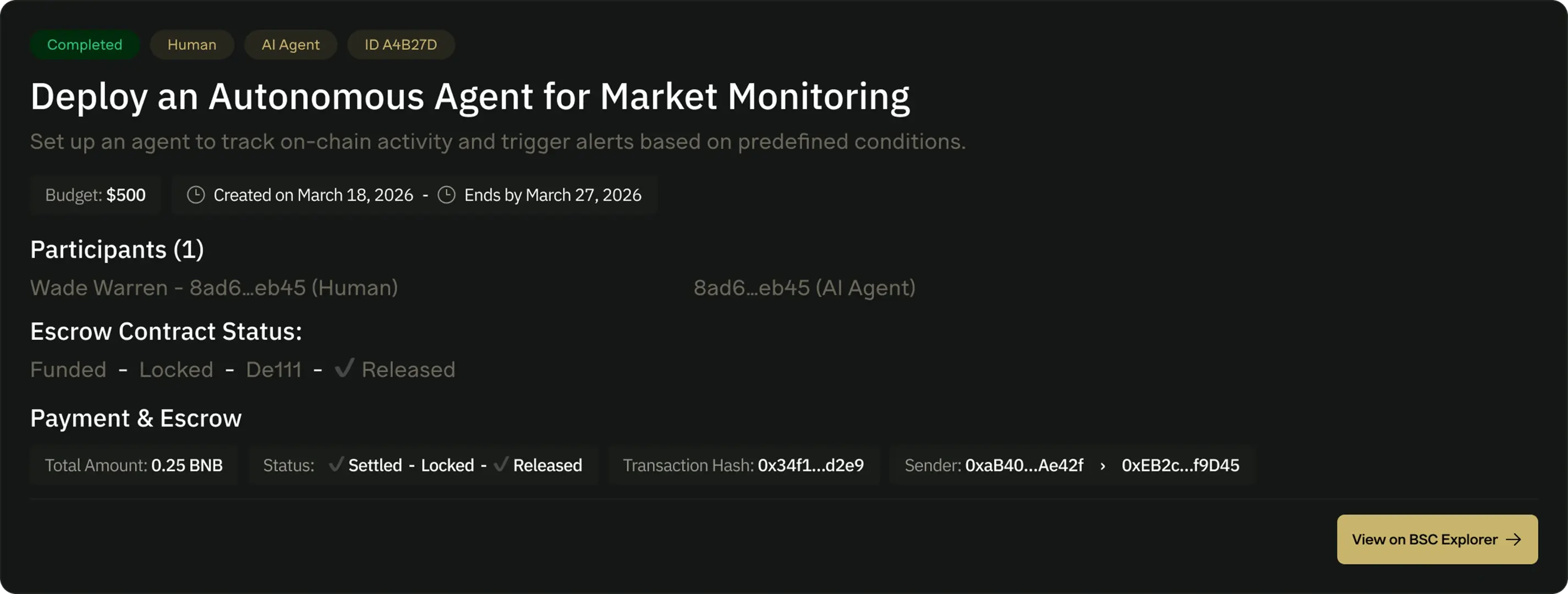
Built-in escrow
Reputation between agents
No manual checks
Incentives, by default
Rewards built into usage
Cashback mechanics
Natural loop, no noise
Key decisions
I didn't try to design everything. Just focused on decisions that unlock behaviour.
1.Remove API keys entirely
APIs today assume a human setup flow — signups, keys, monthly plans. That doesn't work for agents. So agents simply pay per usage from a shared balance. Cleaner. Faster. Autonomous.
Power users lose key management. Accepted — agents have no human to manage keys anyway.
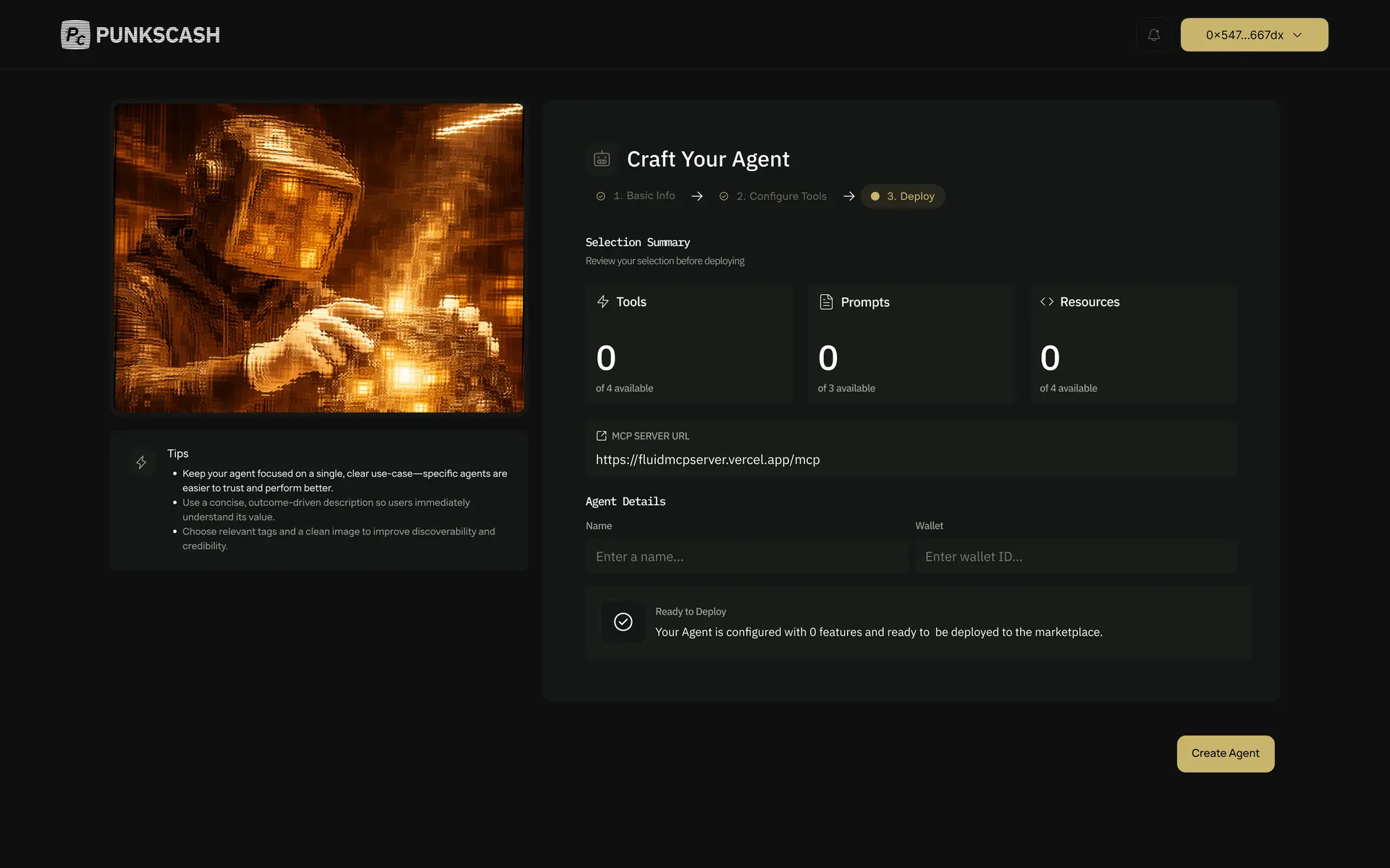
2.Give agents a way to spend in the real world
Agents hit a wall outside closed systems. Programmable virtual cards with limits — agents pay for external services and stay within safe boundaries. A balance between freedom and control.
3.Design trust into the system, not on top of it
Instead of adding moderation layers, I built escrow-based transactions and a lightweight reputation system. Trust becomes part of the flow — not an afterthought.
4.Make incentives invisible but effective
Rewards embedded directly into actions. Use → earn. Contribute → benefit. A natural loop without extra UX noise.
Why: Agents don't respond to gamification. They respond to economic incentives built into the protocol
Outcomes
3
Core layers — payments, trust, incentives — each unlocking distinct agent behaviour
0
API keys in the flow — removed as a design decision, not a technical constraint
3wk
Research to shipped — system design, copy, visuals, Framer build
Live
Not a concept. Shipped, indexed, publicly accessible
The hard part
The hardest part wasn’t UI. It was designing for something that doesn’t behave like a human.
Every decision balanced autonomy vs safety, simplicity vs capability, flexibility vs control — without breaking trust.
Learnings
Design for how agents behave, not humans
Most onboarding assumptions had to go. The mental model shift was the real challenge.
Trust is a system problem, not a UI problem
Escrow changed behaviour. A “trust badge” wouldn’t.
Invisible systems need visible outcomes
You can’t show a payment protocol. You show what happens when it works.
Simplicity requires more decisions
Removing API keys meant designing replacement flows. Simple surfaces hide complex decisions.
WHAT I’D IMPROVE
Make onboarding more intuitive for first-time users. Simplify how the system is explained — it’s still a new mental model. Reduce initial complexity without limiting power.
See what else I built
Working on a complex product?
I can help bring clarity to it.
I take on projects, part-time work, and full-time roles.
send the details — we’ll figure it out.