Making scientific research actually usable.
Client
M0
Role
Product Designer
Duration
4 Weeks · 2026
Product Design ⦿ ai/llM ⦿ System Design ⦿ System design ⦿ Framer ⦿ Web3 ⦿
What's this about
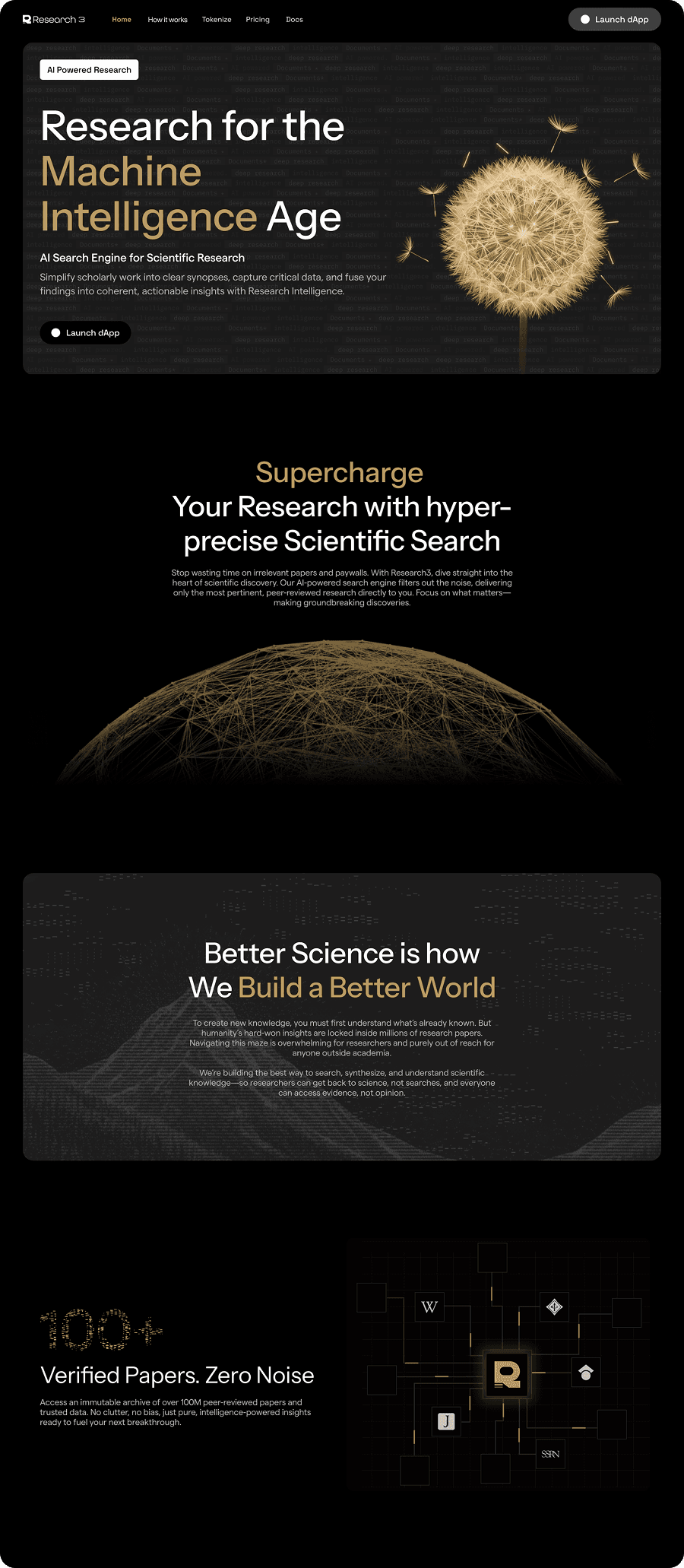
Research today is messy. Too many papers. Too much noise. Too little time.
Even worse — most AI tools guess answers instead of showing real evidence. So the question became: what if research tools didn't generate answers, but helped you understand what's already proven?
The shift
Instead of
Another AI search tool that generates summaries without context or sources
Reframed as
A system that reads science before it speaks — every output tied to real, traceable evidence
4 behaviours I designed for
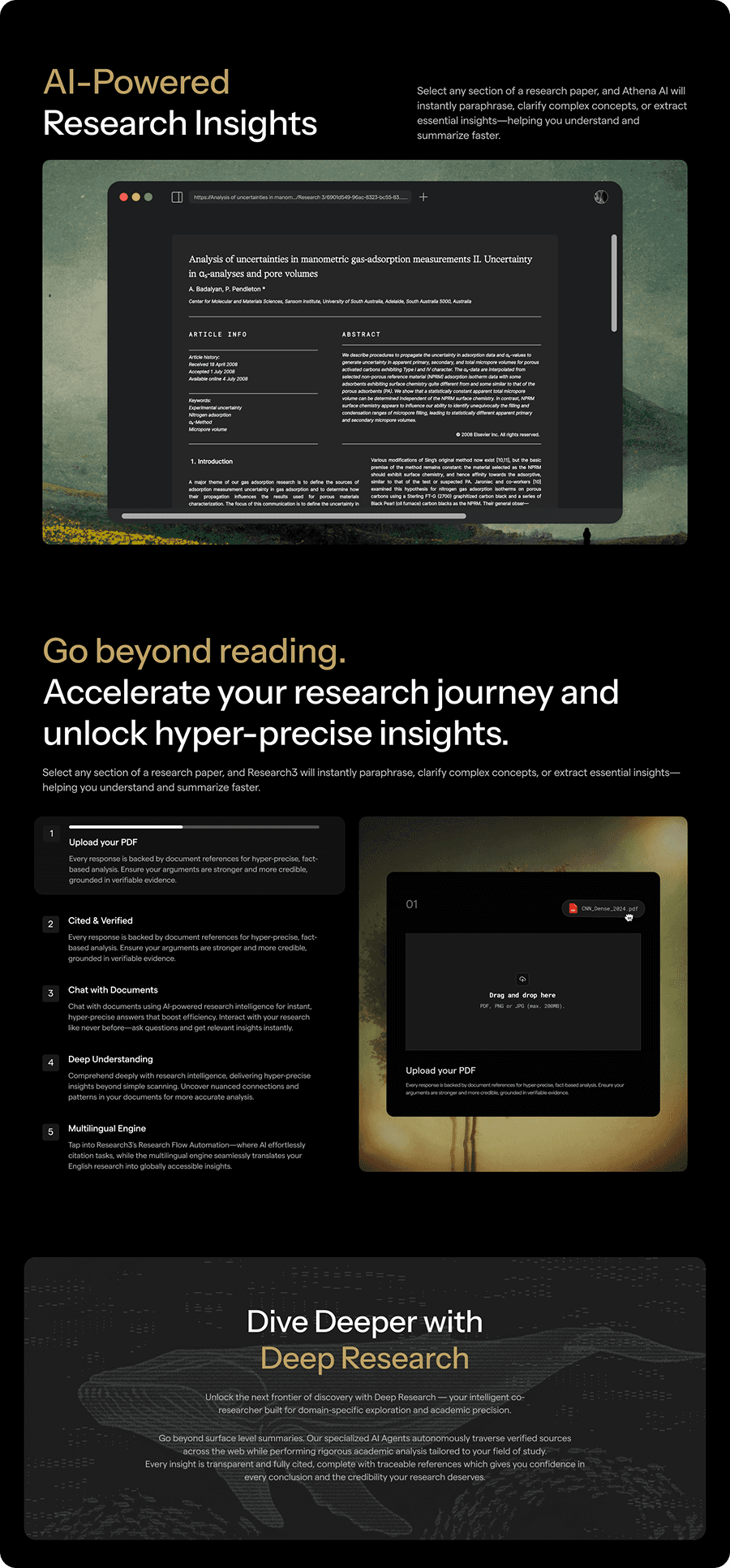
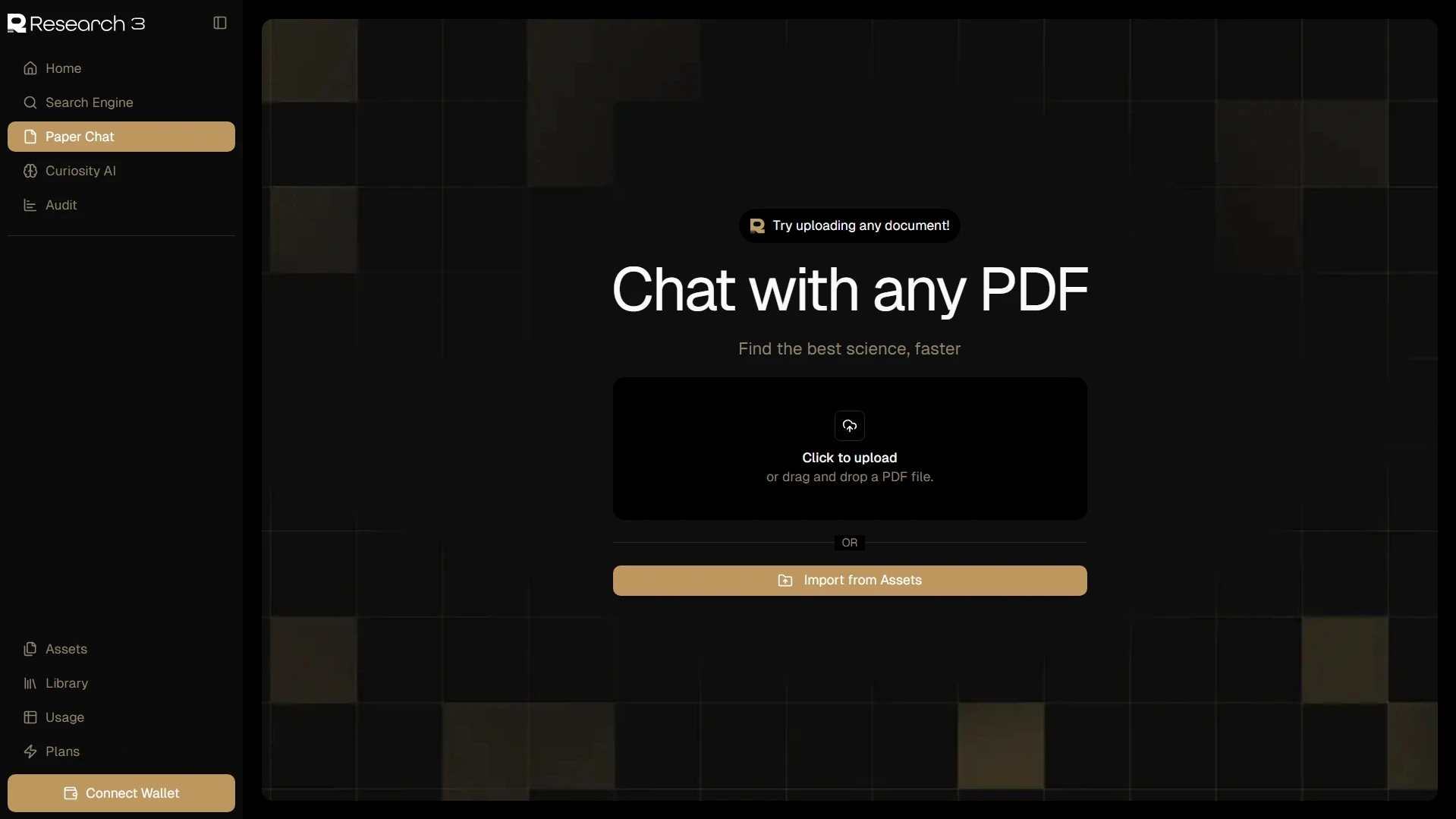
Search → Understanding
Every result tied to real papers
Highlight and break down complex sections instantly. Less scanning. More understanding.
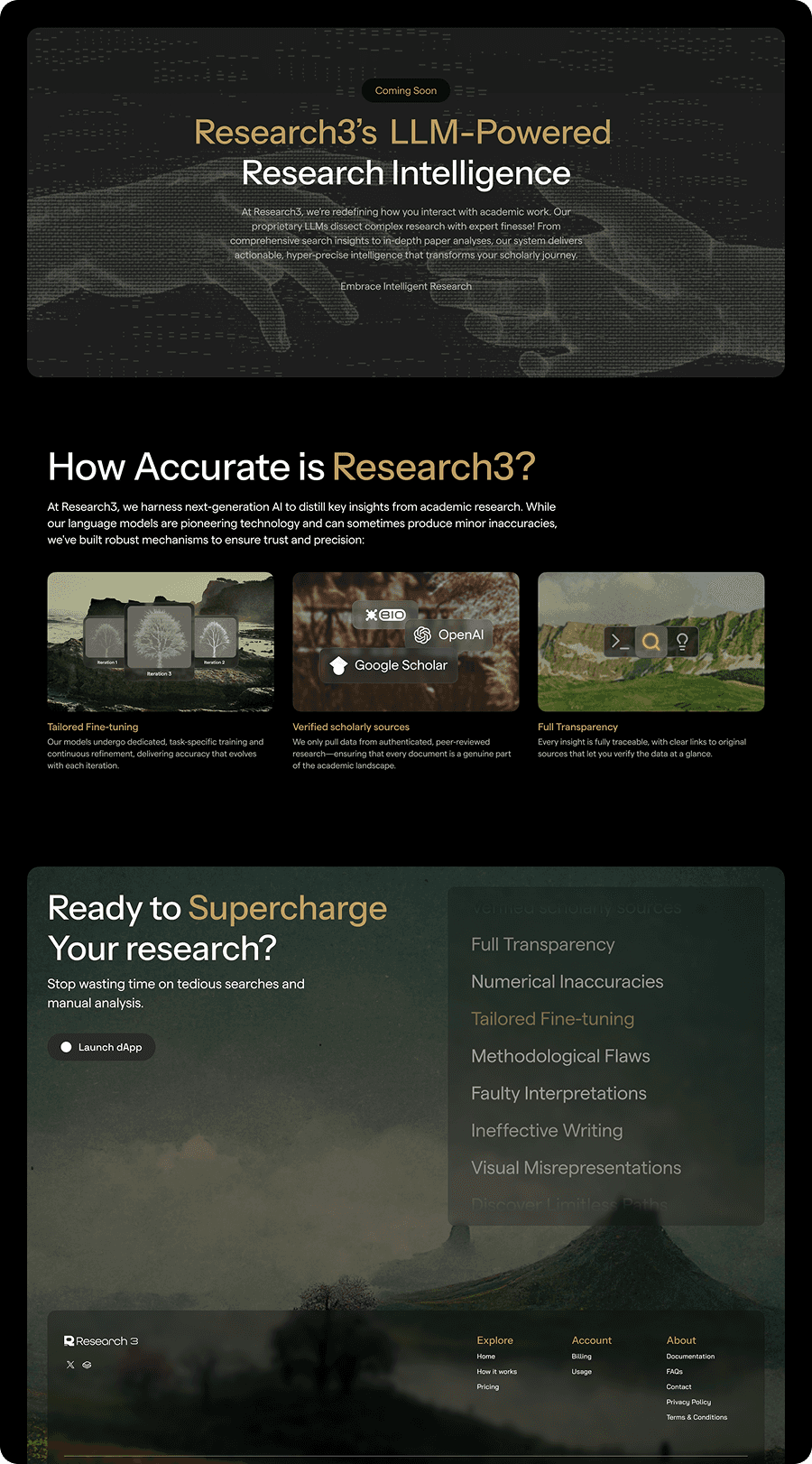
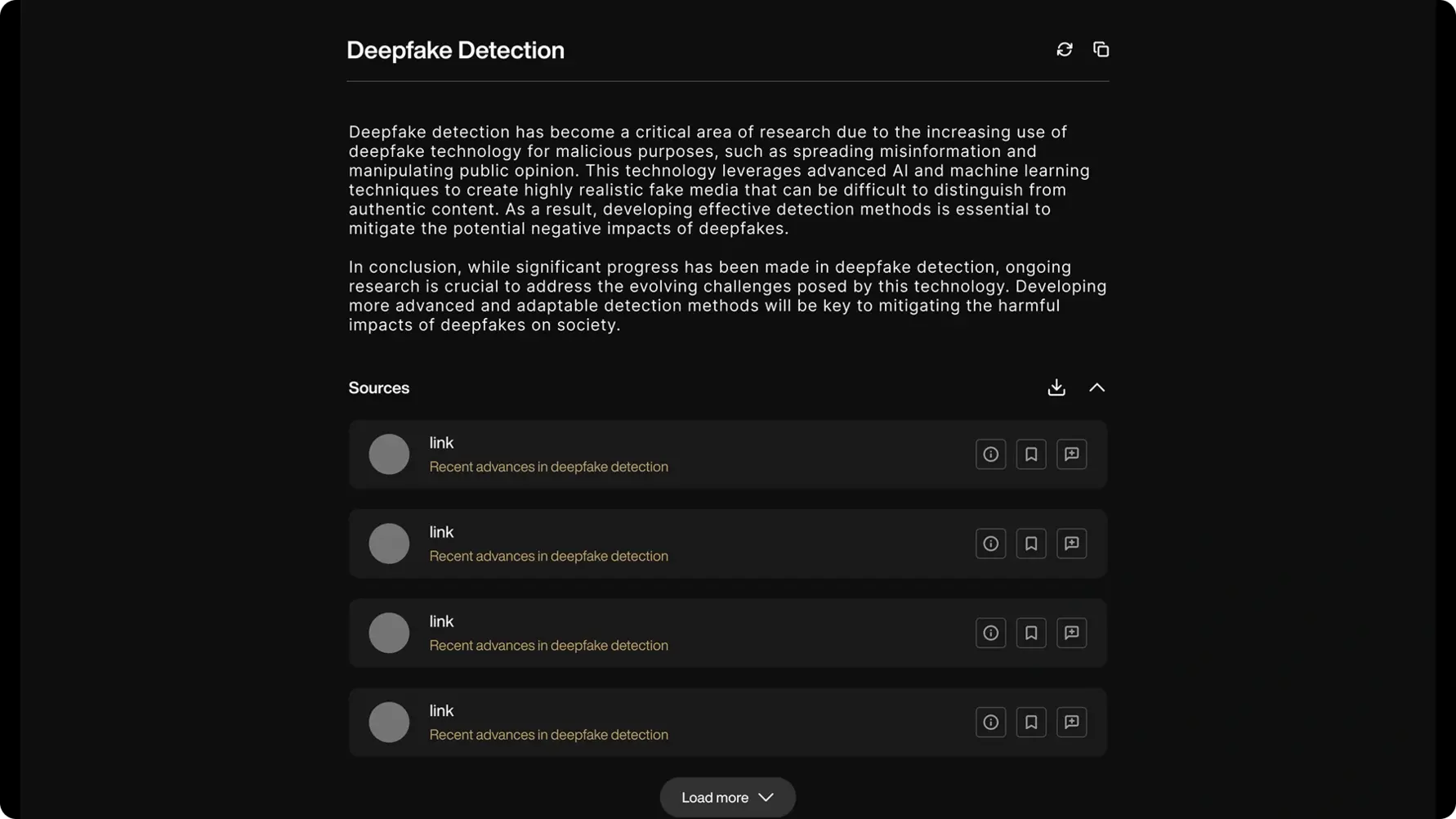
AI guesses → Verified answers
Only peer-reviewed sources. Always cited.
If it can't be verified, it doesn't exist in the system.
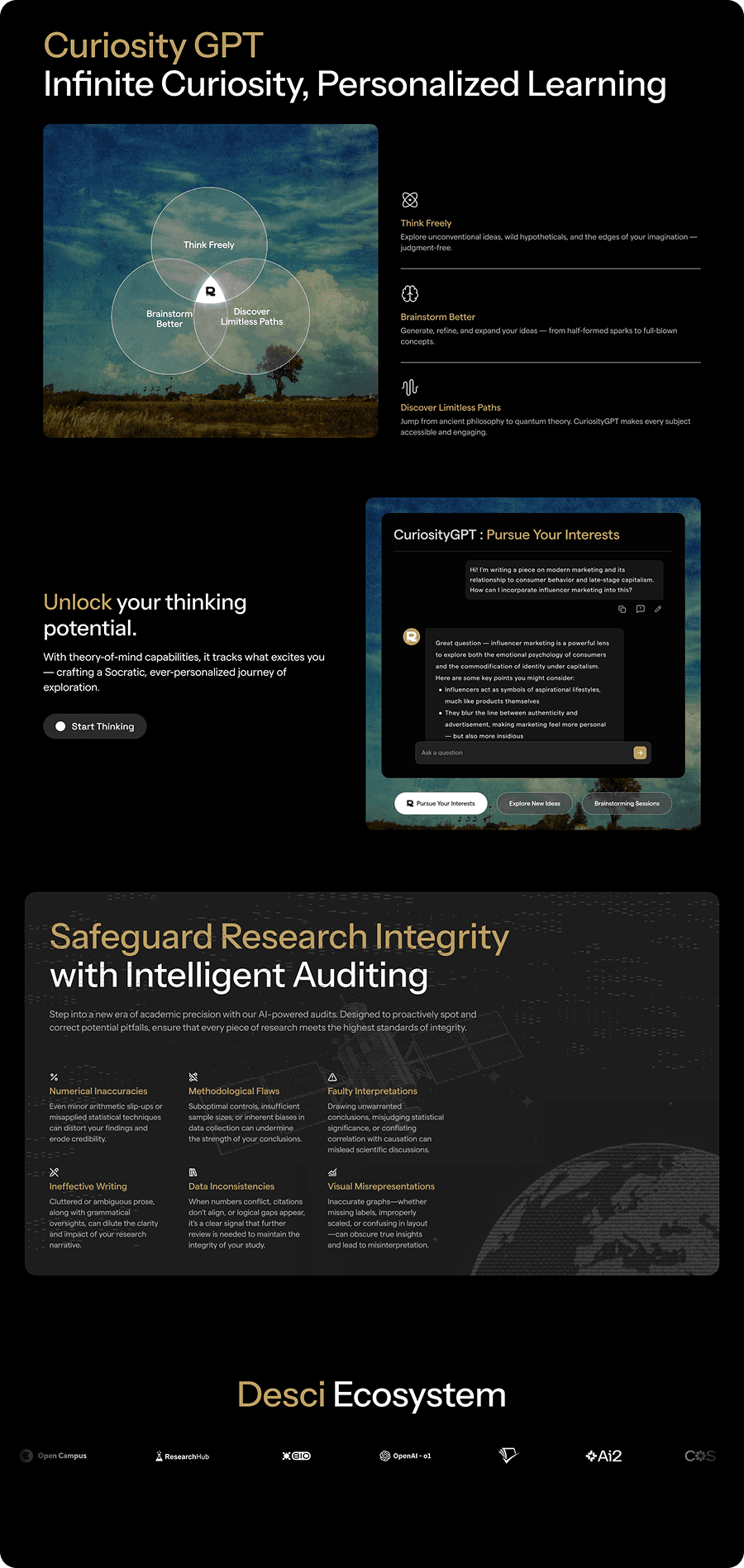
Information overload → Clarity
100M+ papers. Surface only what matters.
Filter irrelevant work. Connect related findings.
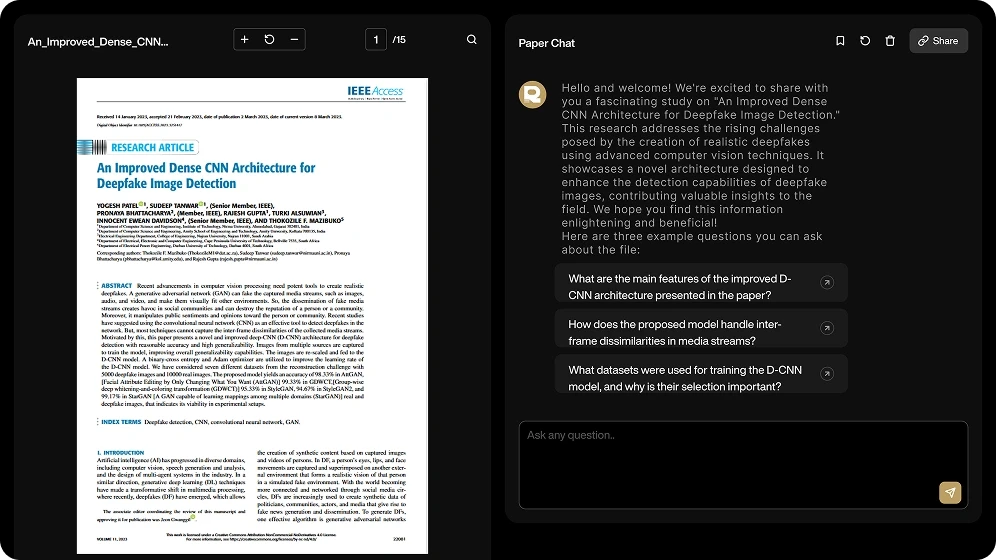
Reading papers → Interacting
Chat with documents. Ask questions directly.
Research becomes a conversation, not a chore.
Key decisions
1.AI explains, not invents
Most tools generate first, verify later. This flips it — retrieve, then explain. Every output stays grounded in real research.
Why: Hallucinations in a research tool aren't just wrong — they're dangerous. The architecture had to make fabrication structurally impossible.
2.Show sources everywhere, no hidden logic
Every insight is linked, traceable, verifiable. No black box. This builds trust instantly — especially for scientists and analysts who need to cite their sources.
3.Designed for researchers, not general users
This wasn't built for casual browsing. Students, scientists, analysts — they need depth. So instead of simplifying too much, I focused on clarity without dumbing things down.
First-time onboarding is harder. Scientific tools can feel intimidating. That's the gap I'd close next.
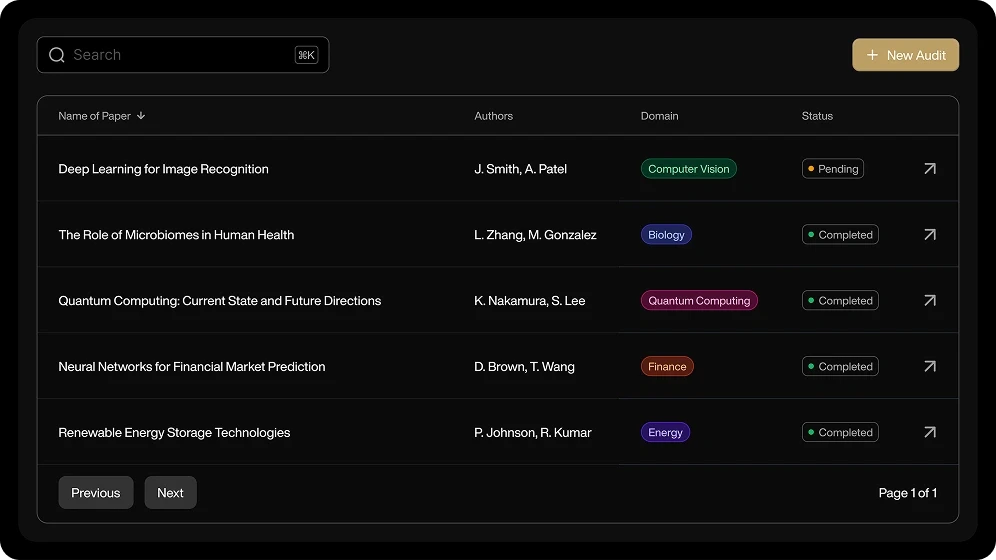
4.One flow — search, read, extract, build
Instead of switching tools for searching, reading, summarising, and writing — everything lives in one flow. Fewer context switches. More time thinking.
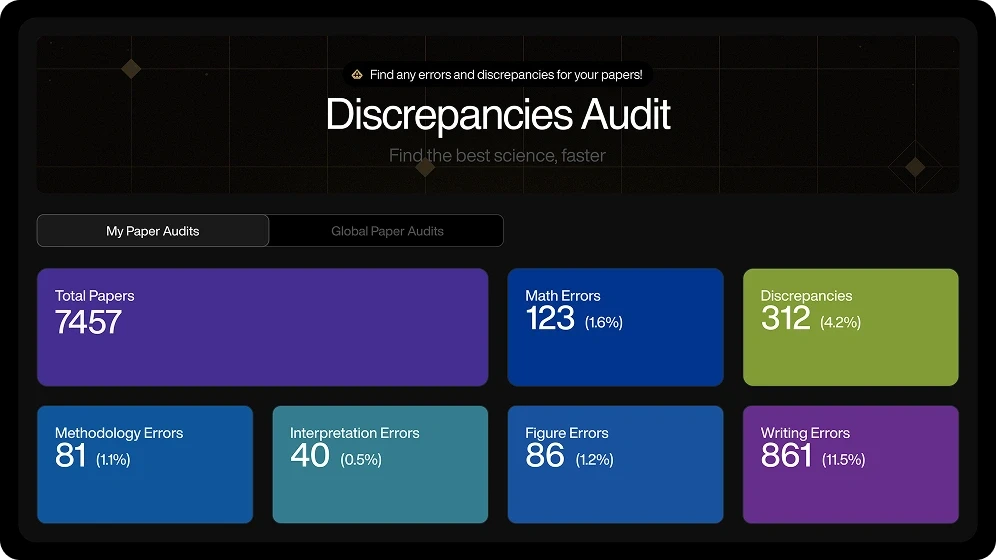
outcomes
0
Unverified outputs — every answer tied to a real, traceable source by design
1
Unified flow — search, read, annotate, extract. No tool-switching.
100M+
Papers navigable — the system filters noise, not just indexes it
Live
Shipped at research3.ai — not a prototype
The hard part
Designing for truth, not convenience. Every decision had to balance speed vs accuracy, simplicity vs depth, AI assistance vs user control. Most of those tensions don't have clean answers.
Learnings
Trust is a design constraint, not a feature
Once I made "no unverified output" a hard rule, every other decision became clearer.
Clarity ≠ simplicity
Researchers need depth. Dumbing it down loses the people who matter most
One flow beats five tools
The biggest UX win wasn't a new feature — it was removing the need to switch contexts
The problem isn't lack of data
100M+ papers exist. The problem is navigation. Design for that, not for more information.
WHAT I’D IMPROVE
Make first-time onboarding clearer — scientific tools feel intimidating. Improve how connections between papers are visualised. Reduce cognitive load when exploring large datasets.
See what else I built
Working on a complex product?
I can help bring clarity to it.
I take on projects, part-time work, and full-time roles.
send the details — we’ll figure it out.